Buyer answer: Glass-bead silver tape is the economical standard with solid retroreflectivity. Segmented (prismatic) tape is brighter, flexes better in cold weather and survives more wash cycles, which is why premium programs and Class 3 garments use it. Contrast tape pairs a fluorescent edge with a silver center to hide dirt and sharpen the silhouette in daylight. Specify tape type, width and fixing method (sewn or heat-applied) at RFQ — it is one of the biggest cost and performance levers on the garment.
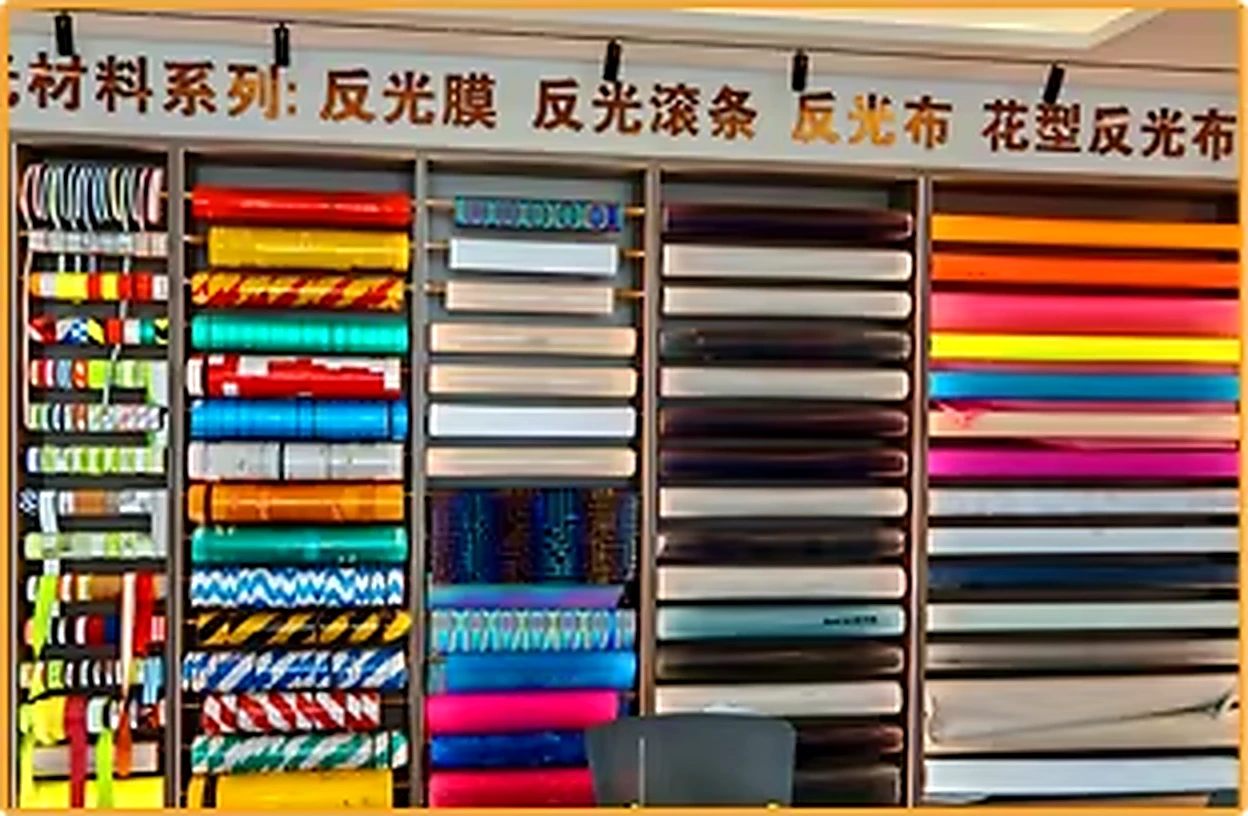
How retroreflective tape works
Retroreflective material returns light toward its source. Two technologies do this. Glass-bead tape embeds microscopic spheres that bounce light back; it is the older, cheaper technology and performs well at typical headlight angles. Microprismatic tape uses microscopic corner-cube prisms that return more light, especially at wide angles — the worker appears bright even when the driver’s viewpoint is off-axis.
Segmented tape is prismatic tape cut into small segments with sealed edges. The segmentation lets the tape bend around seams and move with the garment without cracking, which matters in cold weather and through industrial laundering.
The three tape families buyers actually specify
- Silver (glass-bead) tape — the default on volume vests. Uniform grey-silver look, good retroreflectivity, lowest cost.
- Segmented prismatic tape — brighter, more flexible, better wash endurance. Standard on Class 3 programs, cold-climate fleets and premium distributor lines.
- Contrast (two-color) trim — fluorescent orange or yellow edges framing a silver center. The colored edges stay visually credible as the silver center collects dirt, so garments look newer longer; it also raises daytime contrast against mixed backgrounds.
Tape comparison table
| Attribute | Silver glass-bead | Segmented prismatic | Contrast trim |
|---|---|---|---|
| Night brightness | good | excellent | good (center band) |
| Daylight contrast | moderate | moderate | high |
| Wash durability | good | very good | good |
| Cold-weather flex | moderate | excellent | good |
| Relative cost | lowest | highest | mid-to-high |
| Typical use | volume Class 2 vests | Class 3, winter, premium programs | distributor lines, soil-prone trades |
Layout rules by class
Tape geometry is part of the standard, not a styling choice. A typical Class 2 vest carries a horizontal band around the lower torso plus vertical bands over each shoulder to the front and back. Class 3 garments add bands encircling each sleeve. Bands must be continuous and visible from all directions; pockets, zippers and logo prints must not interrupt the required coverage.
Fixing method matters too: tape can be sewn on (most durable, standard) or heat-applied (cleaner look on solid fabric, no stitch holes). Heat-applied tape on mesh performs poorly, so mesh garments normally use sewn tape with backing.
Frequently asked questions
Need this in a bulk RFQ?
Send quantity, target styles, logo file and destination market. We will reply with MOQ, lead time, customization options and documentation by email or WhatsApp.
Request a Quote WhatsApp Us