Buyer answer: Approve the sample that matches bulk production in every controllable detail: same fabric batch and weight, same tape, same logo method, same labels and packing. Work through a fixed checklist — fabric GSM and shade, tape layout and height, stitching, closures, pocket construction, size grading on real measurements, logo size and position, care labels, polybag and carton marks — and keep a signed reference seal so the shipment can be judged against an agreed standard.
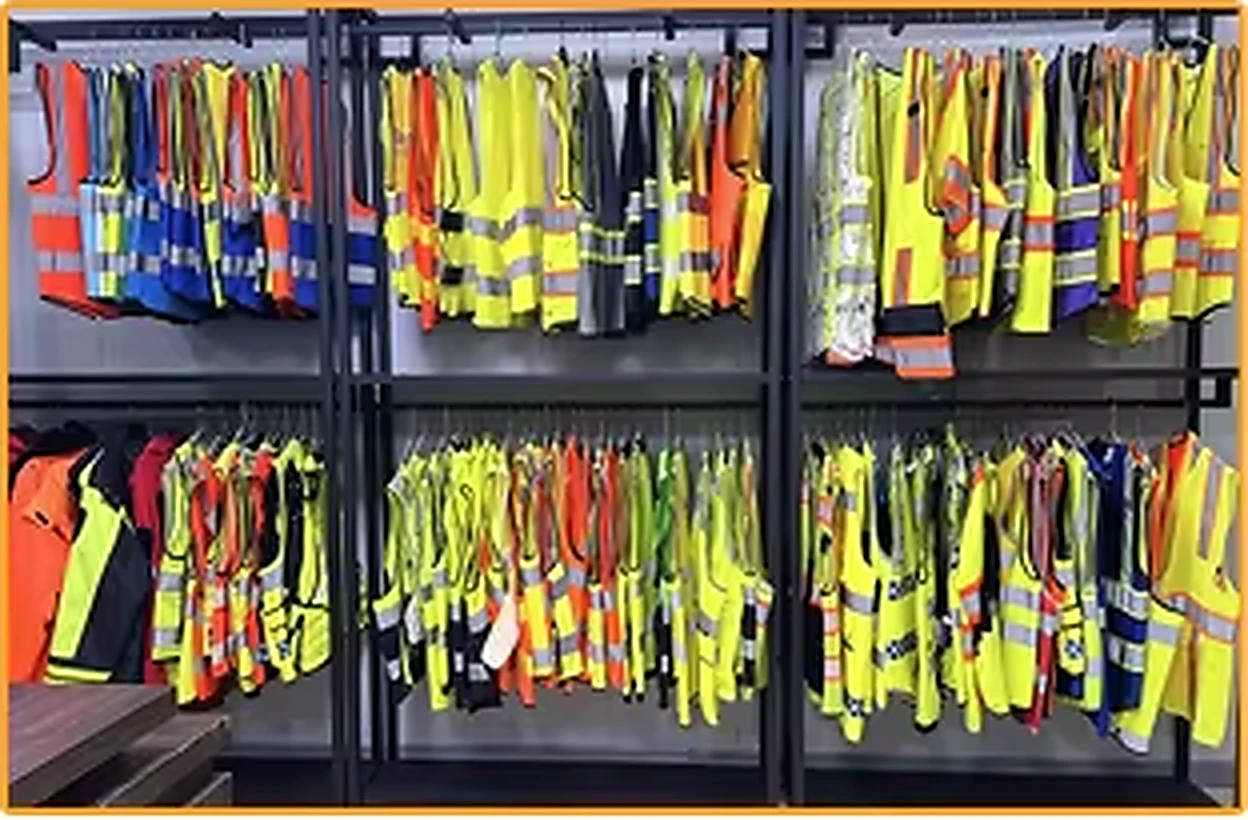
Which sample you are looking at
Three sample types exist and they answer different questions. A counter sample shows what the factory can make from your reference. A pre-production (PP) sample is built with bulk material and bulk methods — this is the one that decides the order. A shipment sample is pulled from finished bulk for final verification. Judging a PP sample by showroom-sample expectations (or the reverse) creates false alarms; confirm in writing which one you hold.
The 12-point checklist
| # | Check | What to verify |
|---|---|---|
| 1 | Fabric | GSM matches spec, correct fabric family (mesh / solid / Oxford), shade matches approved swatch in daylight |
| 2 | Reflective tape | Tape grade matches order, layout matches drawing, band width and height per spec, no gaps at seams |
| 3 | Stitching | Stitch density per spec, bar tacks at stress points, no skipped stitches or raw edges |
| 4 | Closures | Zipper or breakaway hardware runs smoothly, matches sample gate, snaps seated correctly |
| 5 | Pockets | Count, size and reinforcement match spec; flaps and hook-and-loop align |
| 6 | Size grading | Measurements on the actual size set, not just a single size; smallest size still meets class area |
| 7 | Logo | Method, size, position and color match approved artwork; print hand feels right after one wash |
| 8 | Fit on body | Try the sample on a real person from your crew; check shoulder slope and length, not just the tape measure |
| 9 | Labels | Care label, size label and compliance label content, language and placement |
| 10 | Wash test | One home wash on the sample: color, tape adhesion, print and shape afterward |
| 11 | Packing | Polybag spec, pieces per polybag, carton dimensions, carton marks and barcode labels |
| 12 | Documentation | Approved spec sheet attached to the sample; changes recorded in writing, not verbally |
Talking tolerances like a factory
Every measurement carries a tolerance; agreeing it removes 90% of inspection disputes. Garment measurements typically allow ±1–2 cm depending on dimension, and color is judged against a physical swatch under agreed lighting, not against a screen photo. Ask the factory to print tolerances on the spec sheet so both QC teams measure the same way.
Reference seals and reorders
Once the PP sample is approved, cut it into seals: one set stays with the buyer, one with the factory QC line, optionally one with a third-party inspector. Every future shipment is then judged against a physical standard rather than memory. For repeat programs, seals plus the standing forecast (see our MOQ and lead time guide) make reorders almost admin-free.
Frequently asked questions
Need this in a bulk RFQ?
Send quantity, target styles, logo file and destination market. We will reply with MOQ, lead time, customization options and documentation by email or WhatsApp.
Request a Quote WhatsApp Us